
Maine Coon Growth & Development: What to Expect Week by Week From 8 to 16 Weeks
Week-by-week guide to your Maine Coon kitten's development from 8 to 16 weeks. Track healthy weight milestones, behavior changes, and key nutrition tips.
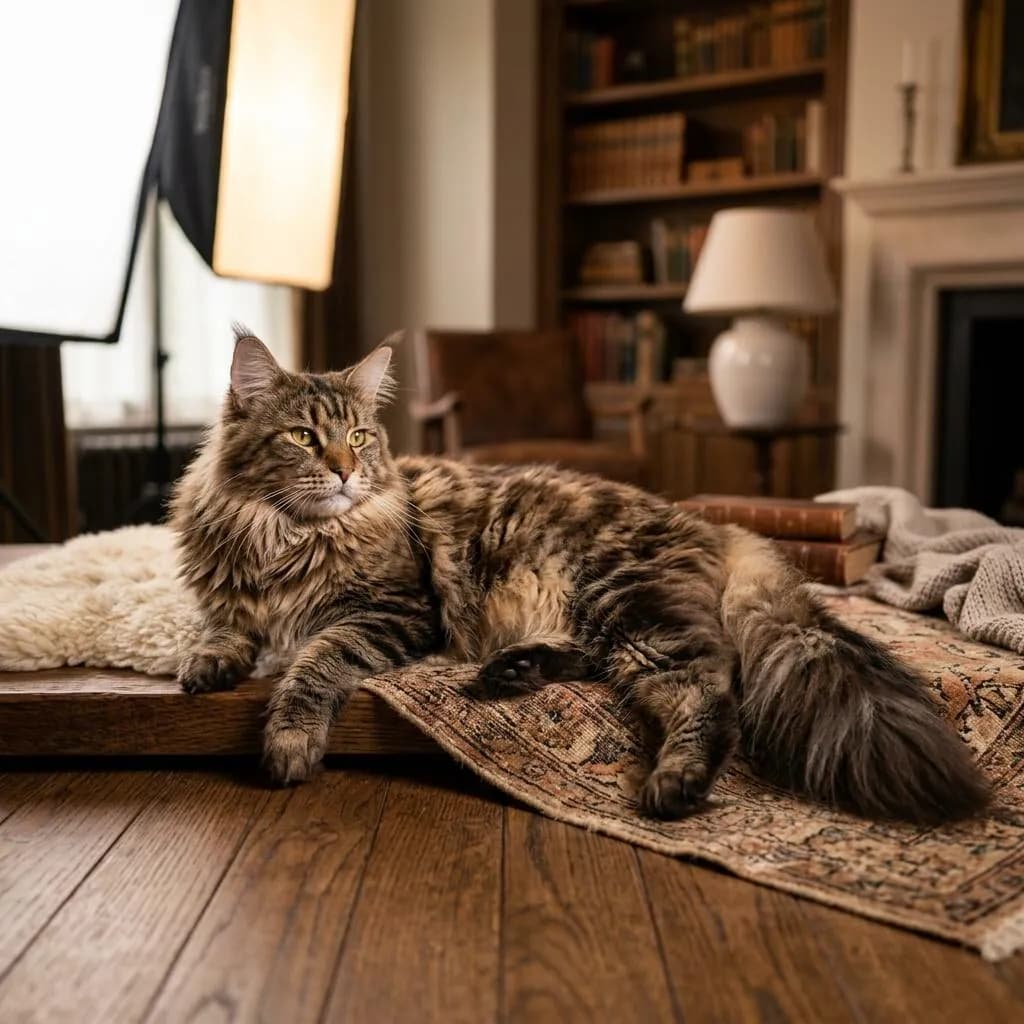
Bringing a Maine Coon kitten home at 12–14 weeks is equal parts thrilling and overwhelming. These are the most critical weeks for bonding, routine-building, and setting up a lifetime of health. This guide walks you through exactly what to expect, week by week.
Your Kitten's First Week Home (Age 12–13 Weeks)
The first week is the decompression phase. Your kitten has left its mother, siblings, and the only home it has ever known. Expect:
- Hiding and caution: It's normal for a kitten to hide under furniture, in closets, or in its carrier for the first 2–3 days. Don't force interaction — let it come to you.
- Appetite adjustment: Some kittens eat less the first day due to travel stress. Offer small, frequent meals of the same food they had at the cattery to avoid digestive upset.
- Litter box confusion: Even well-trained kittens may miss the box once or twice in a new environment. Keep the litter box in a quiet, accessible location and clean it twice daily.
- Sleeping 18–20 hours a day: Kittens this age sleep heavily. This is normal and healthy — growth happens during sleep.
Week 2: Building Confidence (Age 13–14 Weeks)
By the second week, most kittens start exploring more boldly:
- Play behavior emerges: Expect zoomies, pounce games, and interactive play with wand toys. Maine Coons have strong prey drives — offer daily structured play sessions (10–15 minutes, 2–3 times daily).
- Bonding signs: Your kitten may start seeking you out, purring when you enter the room, rubbing against your legs, or kneading on your lap. These are early trust signals.
- Vocalization increases: Maine Coons are vocal from a young age. Chirps, trills, and "talking back" to you are normal breed behaviors, not distress signals.
- First bath (optional but recommended): A gentle, cat-safe shampoo bath at 13–14 weeks helps the kitten get comfortable with grooming early. Use lukewarm water, a non-slip mat, and plenty of treats. Many breeders recommend a first bath around this age.
Weeks 3–4: The Shell Shock Recovery Complete (Age 14–16 Weeks)
By the third and fourth weeks, your Maine Coon should be fully adjusted to its new home:
- Routine is established: Feeding times, play times, and litter habits are consistent. This is the ideal window to lock in a grooming routine — start brushing 2–3 times per week.
- Weight gain accelerates: Maine Coons grow rapidly between 12 and 20 weeks. Expect 1.5–2.5 lbs of gain per month during this period. Monitor weight weekly and adjust food portions as needed — large-breed kitten formulas are ideal through 18–24 months.
- Teething: Permanent teeth are coming in. Kittens may chew more during this period. Provide appropriate chew toys — never encourage play with hands or feet.
- First vet visit: Schedule a wellness check within the first 2 weeks of bringing your kitten home. Bring the health certificate and vaccination records from the breeder. Your vet can confirm growth trajectory and set up a preventive care schedule.
Maine Coon Weight & Size Milestones (12–16 Weeks)
| Age | Male Weight Range | Female Weight Range | Key Developmental Markers |
|---|---|---|---|
| 12 Weeks (Arrival) | 3.5 – 5.5 lbs | 3.0 – 4.5 lbs | Eye color fully developed; ear tufts and lynx tips visible; tail plume beginning |
| 14 Weeks | 4.5 – 7.0 lbs | 3.8 – 5.5 lbs | Social confidence established; play coordination improved; first coat show 그녀가 |
| 16 Weeks | 5.5 – 8.5 lbs | 4.5 – 6.5 lbs | Frame elongation visible; ruff mane developing; distinctive Maine Coon silhouette emerging |
Note: These are averages. Individual kittens vary based on genetics, gender, and litter size. Males consistently outpace females in size and weight throughout development.
Grooming Checklist: Weeks 12–16
- Brushing: 2–3 times per week with a stainless steel Greyhound comb. Focus on high-friction areas: armpits, behind ears, britches (back legs), and the belly.
- Nail trims: Every 1–2 weeks. Get the kitten comfortable with having its paws handled early — pair with treats and calm praise.
- Ear check: Weekly visual inspection. Maine Coons have large, open ears that can trap debris. Any odor, dark wax, or scratching at the ears warrants a vet visit.
- Eye check: Wipe gently with a damp cotton pad if you see minor discharge. Persistent tearing or cloudiness should be evaluated by a vet.
- Bath schedule: Every 2–4 weeks for the first few months to acclimate the kitten. Use a cat-specific shampoo — never human shampoo, which disrupts the skin's pH balance.
Red Flags in the First Month
- Lethargy beyond normal kitten sleep: A kitten that's difficult to wake for meals or play for more than a day should see a vet.
- Refusal to eat for 24+ hours: Kittens can develop hypoglycemia quickly. If your kitten won't eat, contact your vet immediately.
- Repeated litter box accidents: After the first week, repeated misses can signal a urinary issue, stress, or an inappropriate box location.
- Vomiting more than once: Occasional hairball regurgitation is normal. Repeated vomiting, especially with lethargy, needs veterinary attention.
- Eye or nose discharge with sneezing: Upper respiratory infections are common in young cats. A vet can confirm and prescribe treatment if needed.
New Kitten Care Questions?
Our nursery team provides lifetime support to every kitten family. Reach out anytime — we're happy to answer grooming, feeding, behavior, or health questions as your kitten grows.